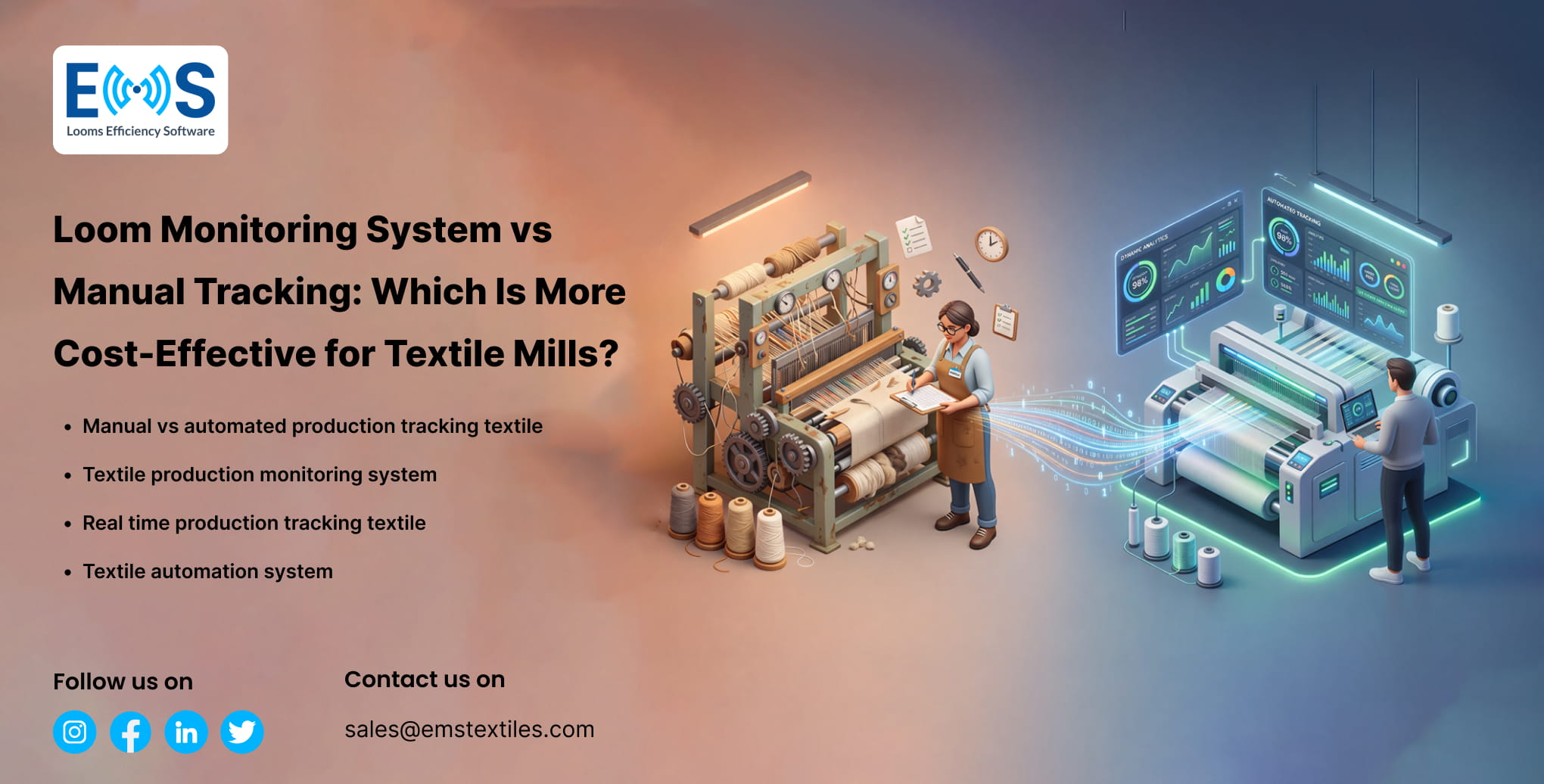
Walk into many weaving mills and you will still see operators recording production in registers, supervisors updating Excel sheets after the shift, and managers relying on yesterday's reports for today's decisions. Manual tracking feels simple and inexpensive, but it often hides major losses.
Automated systems like a loom monitoring system have an upfront cost, but they also bring measurable savings, better control, and faster return on investment.
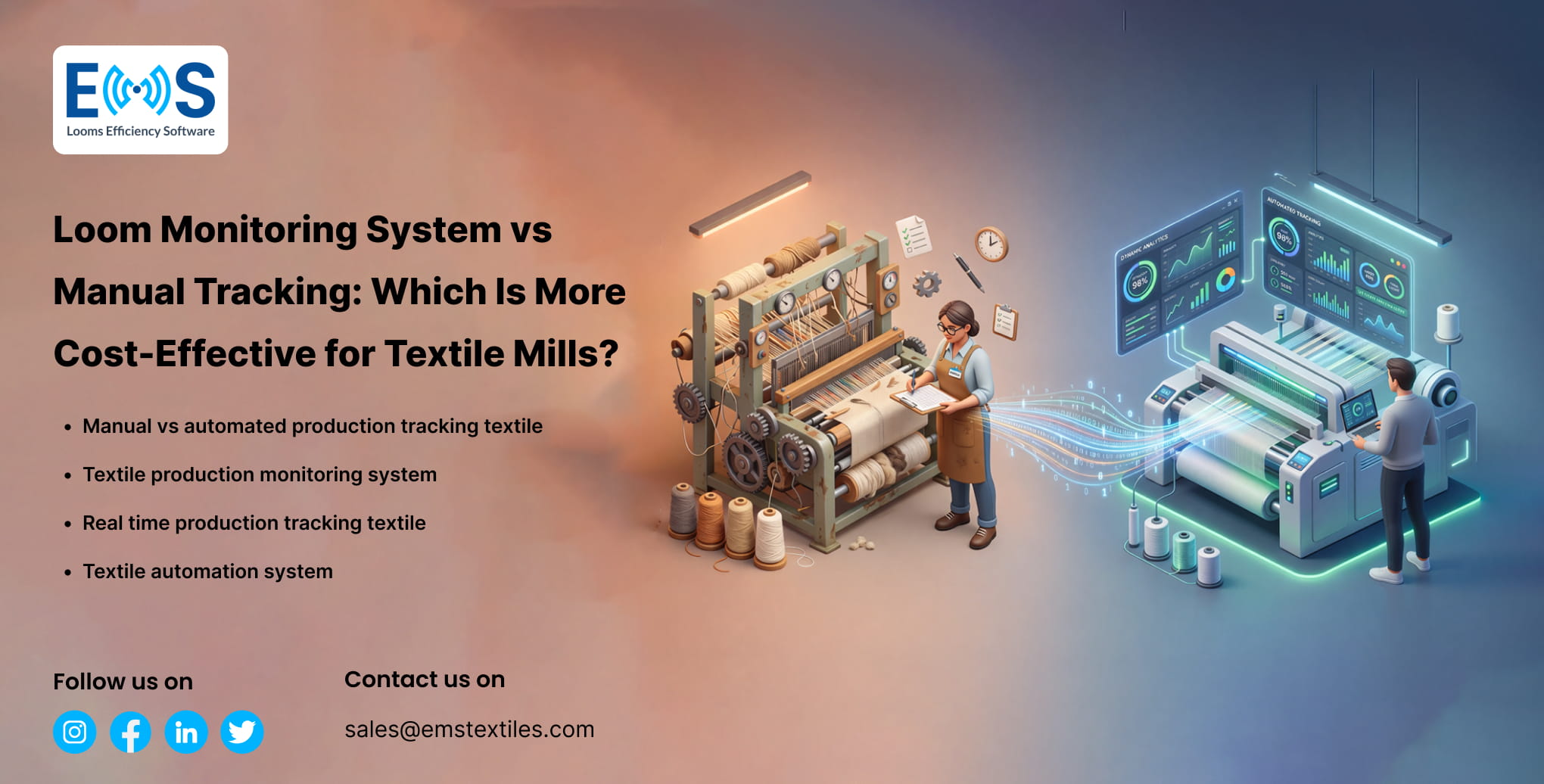
What Manual Production Tracking Looks Like
- Operators mark output in registers.
- Data is entered into Excel at the end of the shift.
- Supervisors walk the floor to check looms one by one.
There is no new investment or training at first, but the information is delayed and incomplete. In a mill, delay equals loss.
What Automated Production Tracking Offers
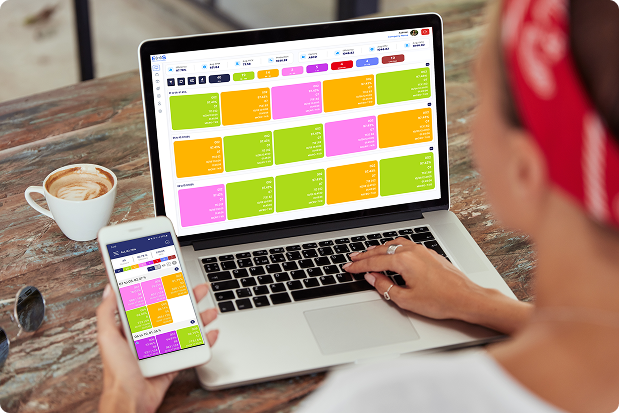
- Real-time production monitoring dashboards.
- Live machine status for running, idle, and stopped looms.
- Up-to-the-minute output counts.
- Operator performance and downtime reason tracking.
This creates instant visibility and helps teams reduce guessing, waiting, and avoidable production loss.
Cost Comparison: Manual vs Automated Tracking
1. Visibility Cost
Manual: Problems are spotted late, so action is delayed.
Automated: Problems are visible as they happen, so teams can respond quickly.
2. Idle Time Loss Cost
Manual: Idle looms are often missed because no one can check every machine every minute.
Automated: Idle looms are flagged instantly. Even reducing a part of idle time can save a large amount every month.
3. Labour Inefficiency Cost
Manual: Operator performance is unclear, which creates uneven productivity.
Automated: The system tracks operator response and performance so managers can support teams and improve output.
4. Reporting and Decision Delay Cost
Manual: Reports arrive after the problem has passed.
Automated: Live dashboards help managers act during the shift.
5. Error Cost
Manual: Numbers can be missed, misread, or mistyped.
Automated: Data is system-generated and more reliable.
ROI of Automation
If manual inefficiency costs a mill Rs. 4,00,000 each month and an automated tracking system reduces that loss by 25%, the monthly saving is Rs. 1,00,000. If installation costs Rs. 3,00,000, payback can happen in about three months.
For many weaving mills, the payback period for a loom monitoring system is around 3 to 6 months. Larger operations often recover the investment faster.
Manual vs Automated Monitoring
| Criteria | Manual Tracking | Automated Tracking |
|---|---|---|
| Real-time visibility | No | Yes |
| Accuracy | Low | High |
| Idle time control | Poor | Strong |
| Decision speed | Slow | Fast |
| Monthly hidden loss | High | Reduced |
| ROI | Negative | Positive |
| Long-term savings | Low | High |
Before and After EMS
Before EMS
- No real-time loom status visibility.
- Problems found only after shift reports.
- Idle machines often go unnoticed.
- Decisions depend on outdated or incomplete data.
- Operator performance is unclear.
After EMS
- Live loom monitoring with real-time data.
- Instant alerts for machine stoppages.
- Immediate action on downtime and inefficiency.
- Accurate decision-making based on data.
- Measurable reduction in production loss.
Final Thoughts
Manual tracking looks cheap, but it can cost lakhs every month through hidden losses. Automation has a visible cost, but it pays back by reducing downtime, improving response speed, and giving managers control.
Ready to see the difference?
Get a free production loss analysis and see how much your mill can save with a textile automation system like EMS.
Ready to Transform Your Weaving Operations?
Book a free demo and see how EMS monitoring software can turn live loom data into faster decisions and measurable ROI.
Book a Free Demo